Context
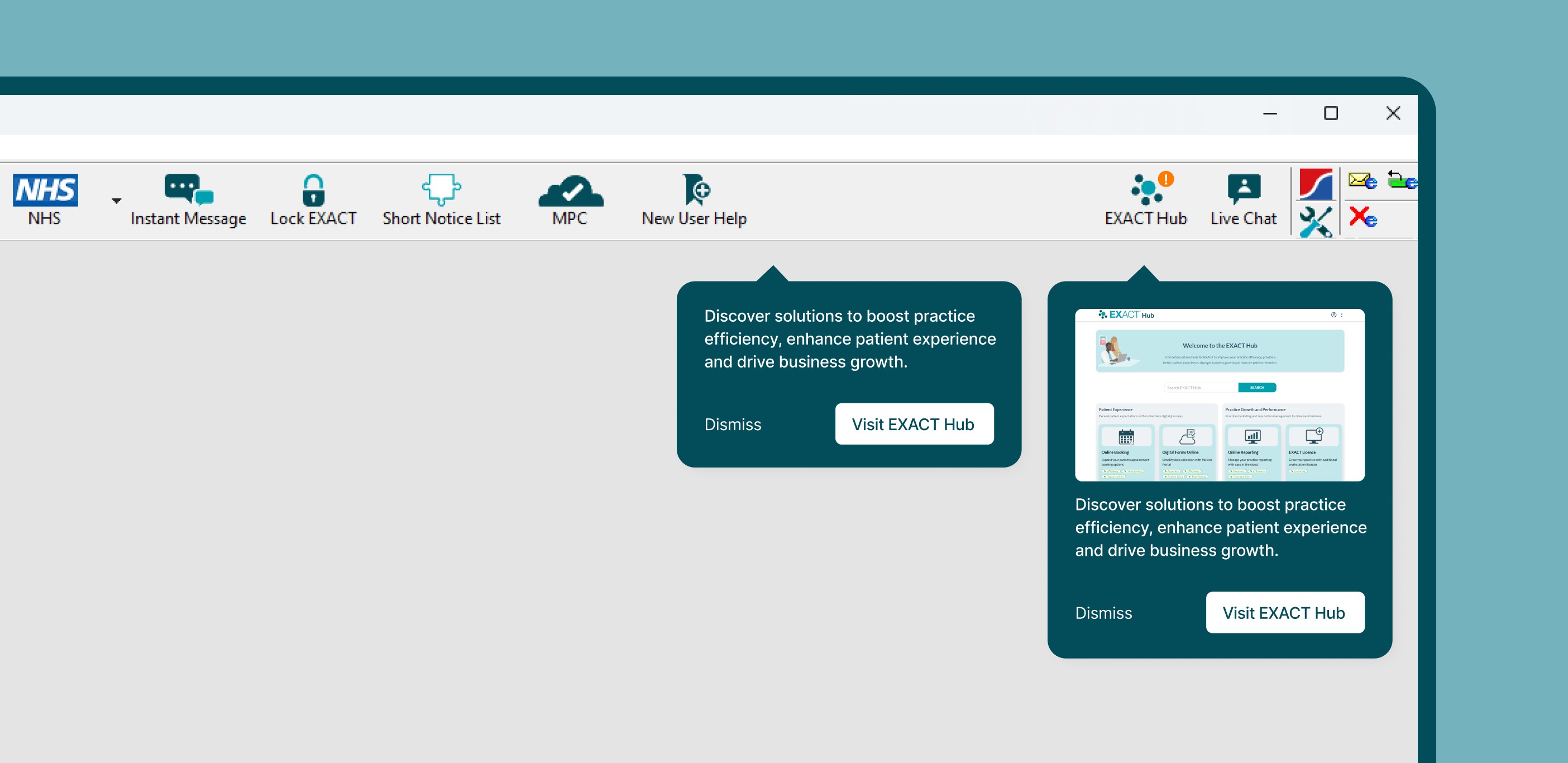
EXACTs Product Marketplace operates within a decades-old, on-premise dental practice management system used by thousands of clinics. Because the platform was built long before modern product ecosystems, it lacked any native mechanism for surfacing updates, promotions, or new features. As a result, clinicians were often unaware of new capabilities unless they received external emails or support guidance.
The Problem
Communication was scattered across:
emails
product announcements
support articles
in-app messages
Users rarely saw these updates, which meant new features often went unnoticed.
Discovery
Initial analysis focused on user behaviour within the Marketplace.
Key insights emerged:
• many users explored the Marketplace only once
• feature discovery happened slowly, often through support
• clinicians preferred passive updates rather than marketing emails
This suggested a contextual in-app notification system could improve engagement.
Design Hypothesis
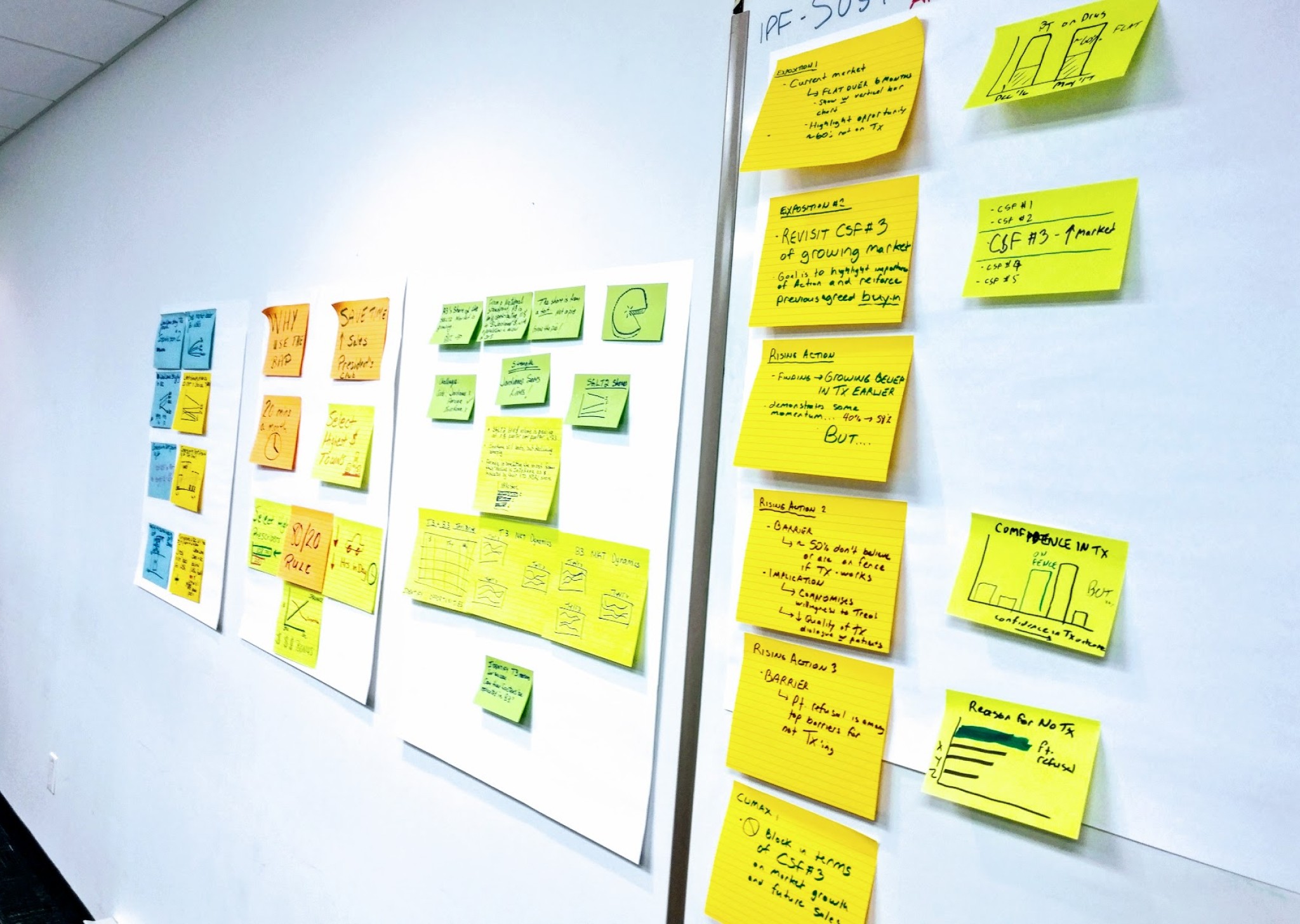
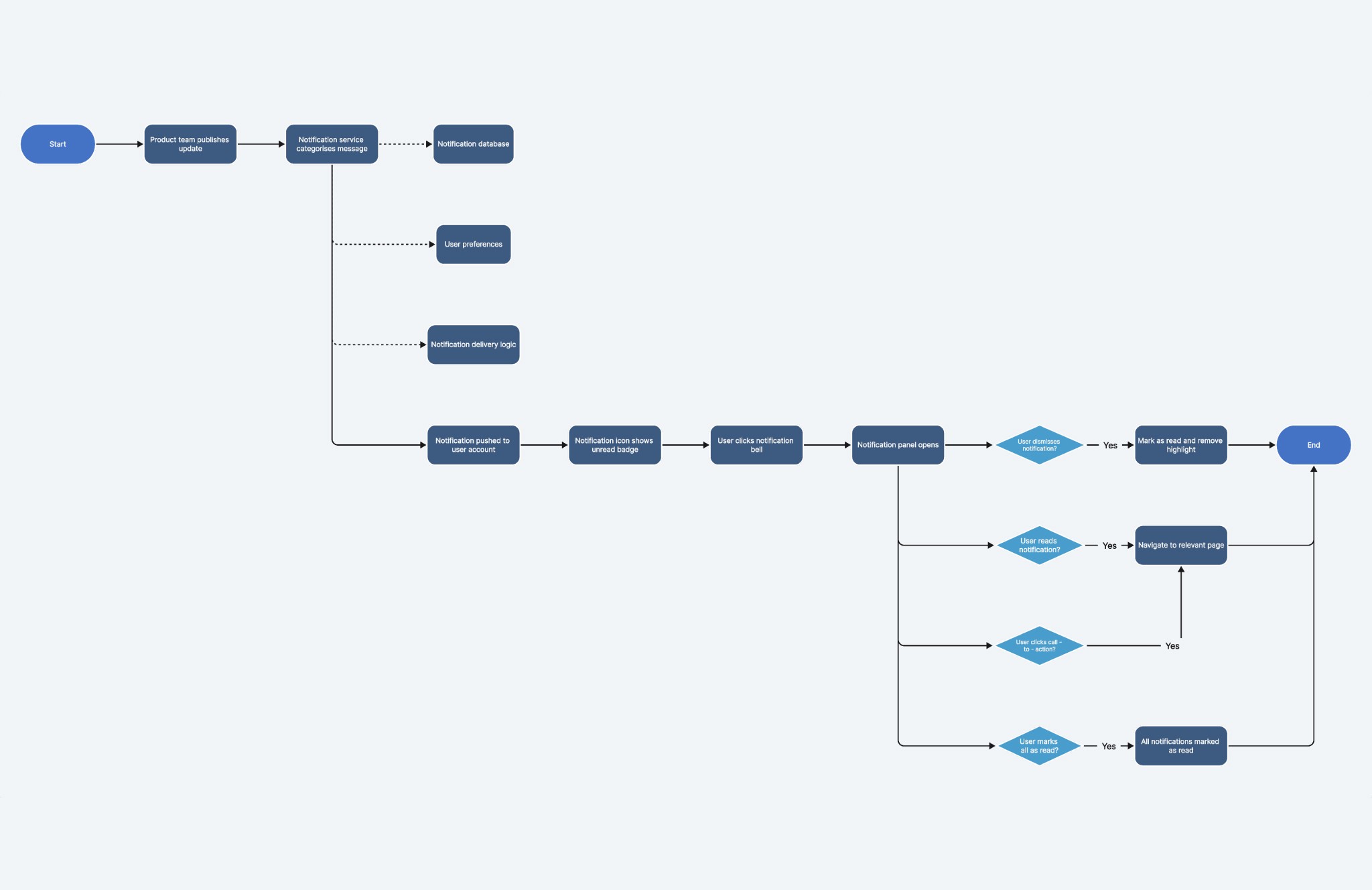
If updates appeared within the product environment itself, clinicians would be more likely to discover new tools organically.
However, the system needed to avoid becoming distracting or intrusive.
Exploration
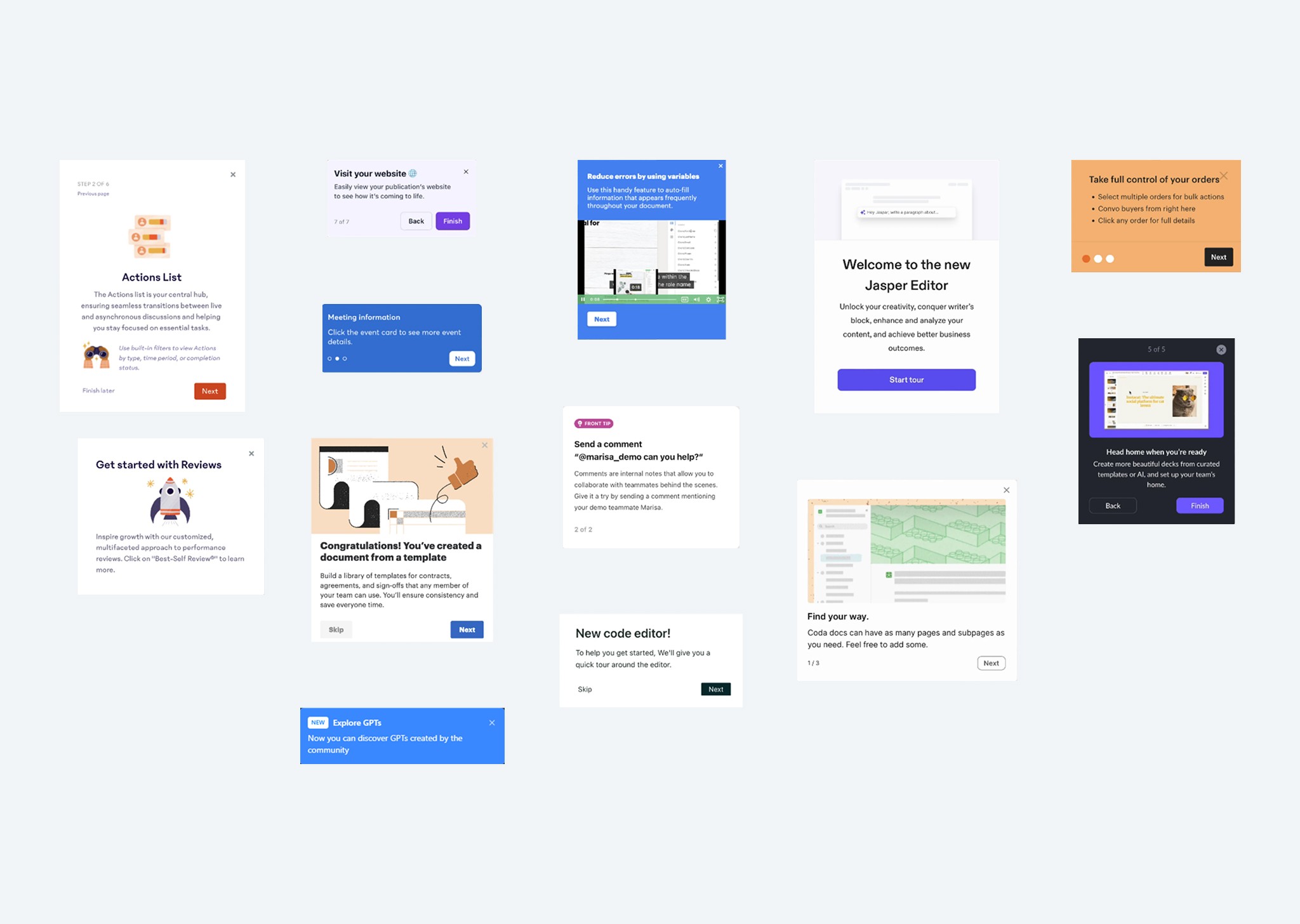
Several interface patterns were tested.
Banner announcements: Visible but easily ignored.
Modal updates: Too disruptive during patient workflows.
Notification panel (chosen): A persistent panel accessible from anywhere in the Marketplace. Users could view updates on their own terms.
AI-Augmented Design Process
AI played a significant role in accelerating exploration.
Cursor: Generated early UI patterns that mirrored production-ready component structures. This allowed faster alignment between design and engineering.
v0: Used to prototype card layouts and test different notification hierarchies.
AI-assisted UX writing: I generated dozens of copy variations for notification cards, testing different tones:
informational
action-driven
promotional
These experiments helped refine concise, scannable messages.
Iteration
Multiple rounds of usability testing helped refine the interaction model.
Key improvements included:
clearer notification categorisation
prioritisation of critical alerts
improved visual hierarchy
Final Experience
The system introduced:
• a unified notification panel
• scannable card-based updates
• consistent UX writing across product announcements
• scalable patterns for multiple product squads
Impact
Following rollout:
Marketplace engagement increased by over 50%
time-to-discovery of new features dropped significantly
support queries about feature availability decreased
Reflection
This project highlighted how designing communication systems can be just as impactful as designing features.
By embedding updates directly into the product experience, we reduced friction between users and new capabilities.